EXTERIOR PAINTING
Exterior Painting Across Saskatchewan
Prairie weather is hard on a coating. We prep, prime, and paint exteriors built to hold up to freeze-thaw, UV, and wind. Book early, the season is short.
Free written quotes, two full coats, and a crew that shows up on the days it says it will.
Free written quotes
Clear scope, zero surprises
Fully insured
WCB & liability covered
Clean, protected job sites
Drop cloths & daily vacuum
Serving 16 communities
Across all of Saskatchewan
WHAT'S INCLUDED
What Our Exterior Painting Includes
WHY IT MATTERS IN SASKATCHEWAN
Why Exterior Paint Fails Fast Here
Saskatchewan runs exteriors through deep freezes, rapid spring thaws, dry air, and intense summer UV on south and west walls. That combination lifts coatings that were rushed on. Paint applied onto damp siding, or into a cold night, often peels within a season.
The season is short, roughly late May through mid-September. Most exterior coatings need surface and air temperatures above about 10°C during application and drying, and nights matter as much as afternoons. We paint inside that window and we will tell you plainly when it is too cold or wet to coat.
Stucco is common on Regina and Saskatoon homes, and so is vinyl and older wood siding. Each substrate takes a different coating. We match the product to the surface, repair cracks before painting, and never coat over chalky, loose, or wet material.
PROCESS
How an Exterior Paint Job Works
Quote and condition check
We walk the exterior, check siding and stucco condition, flag peeling and rot, and confirm the surface is dry enough to coat. You get a written scope.
Wash, scrape, and repair
We pressure-wash, hand-scrape loose paint, recaulk joints, fill cracks, and spot-prime bare surfaces. Rotted trim gets flagged for repair before paint goes on.
Paint two coats
Premium exterior acrylic, back-rolled for adhesion, two full coats. We paint within the temperature window so the coating cures properly.
Walk-through and clean-up
We walk the property with you, touch up anything you flag, remove masking, and leave the site clean. Landscaping stays protected throughout.
COATING GUIDE
The Right Coating for Your Substrate
There is no single exterior paint. We match the product to what your home is made of.
| Coating | Best for | What to know |
|---|---|---|
| Premium 100% acrylic | Wood siding, vinyl, hardboard, trim | Flexible, holds colour against UV, resists peeling through freeze-thaw cycles. |
| Elastomeric | Stucco, concrete block, masonry | Bridges hairline cracks, stretches with the substrate, stands up to prairie wind and hail. |
| Direct-to-metal | Steel siding, railings, doors | Rust-inhibiting primer and topcoat for metal that expands and contracts with temperature swings. |
SIGNS YOU NEED IT
When It Is Time to Repaint
Peeling or flaking paint
Freeze-thaw cycles lift paint off wood and stucco. Once it flakes, moisture gets behind the coat and the damage spreads.
Faded south and west walls
Intense prairie UV bleaches colour fast on sun-facing walls. A recoat restores depth and protects the substrate.
Cracked or chalky stucco
Hairline cracks let water in. Chalky residue on your hand means the surface coat is breaking down.
Caulking gaps at windows and doors
Shrunk or split caulk lets cold air and moisture in. Repainting is the time to reseal those joints.
You are selling or listing
A fresh exterior is one of the highest-return updates before a sale. It reads as maintained, not patched up.
It has been 8 to 12 years
Most exterior coatings in Saskatchewan last roughly that long before UV and weather break them down.
PROJECTS
Recent Exterior Work
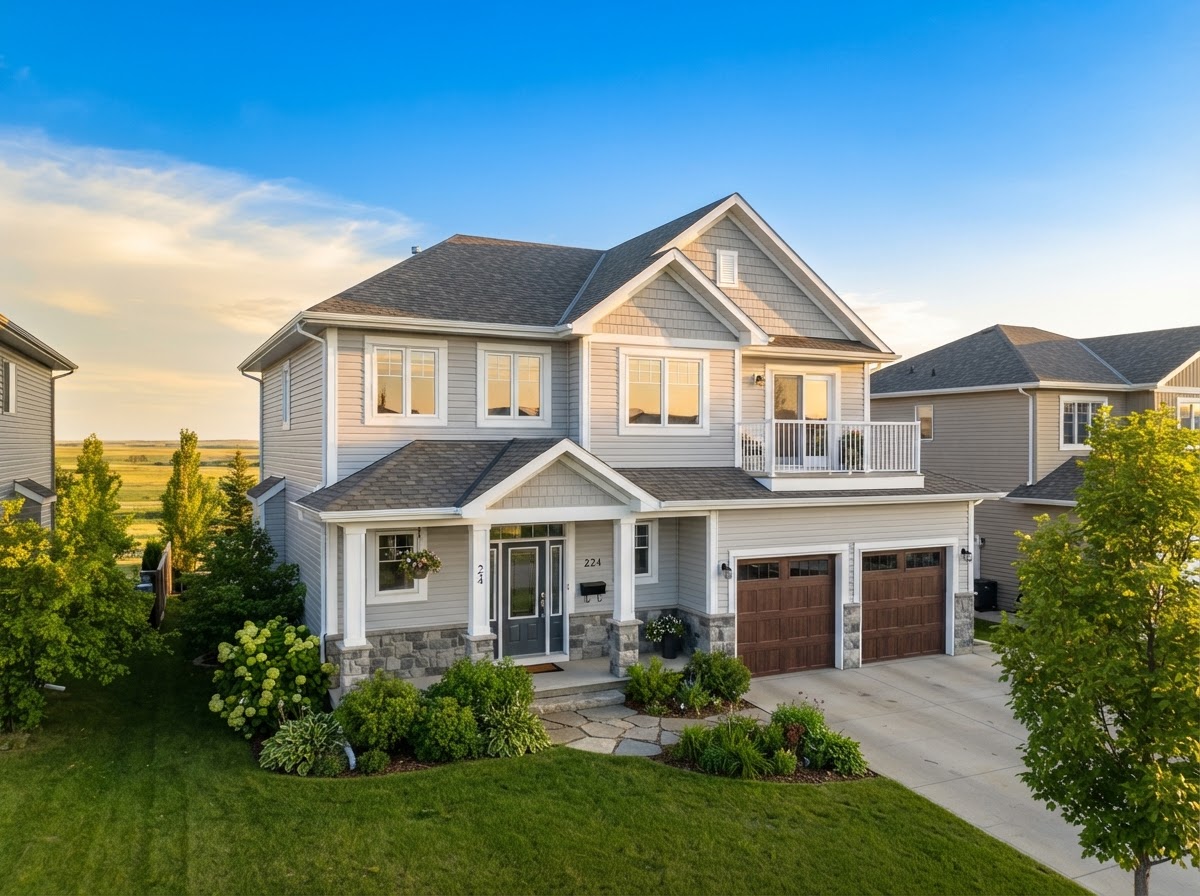
Two-storey vinyl siding repaint in Saskatoon
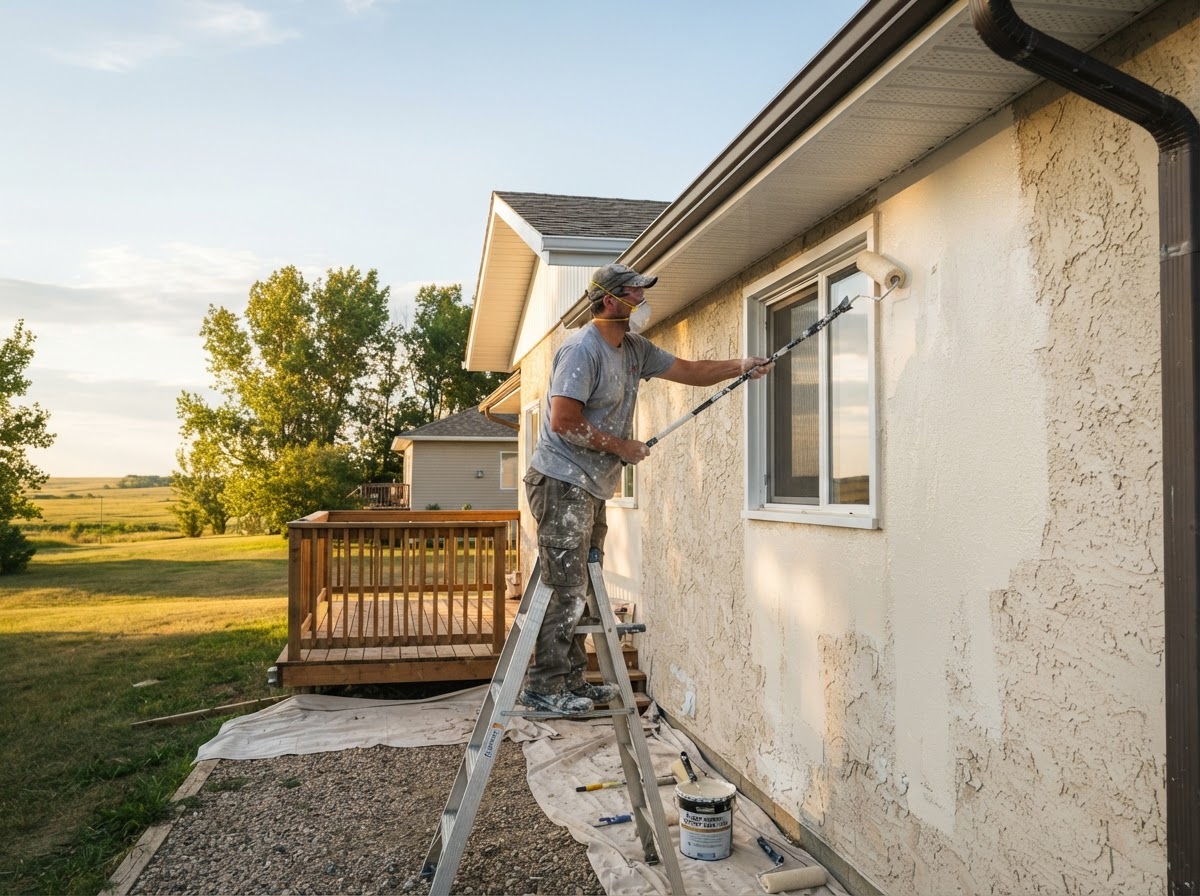
Stucco bungalow repaint in Regina
Wood siding home refresh near Moose Jaw
AREAS WE SERVE
Exterior Painting Across Saskatchewan
We paint exteriors in every community we serve. Pick your city for local details and a free quote.
TESTIMONIALS
What Our Clients Say About Sask Painters
“Crew showed up on time, laid drop cloths, and finished our living room in two days. Clean cut lines, no mess left behind.”

Sarah M.
Homeowner · Regina
“They repainted the exterior of our bungalow before winter. The trim work alone made the house look brand new. Fair quote, zero surprises.”

Dave T.
Homeowner · Saskatoon
“Our kitchen cabinets look factory fresh. The degreasing and spraying gave a glassy finish. Glad we chose a pro over a weekend DIY.”

Nicole B.
Property Owner · Moose Jaw
FAQ
Exterior Painting Questions
When is the best time to paint an exterior in Saskatchewan?
Late May through mid-September. Exterior coatings need air and surface temperatures above about 10°C during application and for the full curing window, and overnight temperatures matter as much as afternoons. A cold night can stop a coat from coalescing. We book exterior projects early in the season because the window is short.
How long does an exterior paint job last?
A properly prepped exterior with quality acrylic typically lasts 8 to 12 years in Saskatchewan conditions. South and west walls exposed to full UV fade and break down first. Good prep, the right coating for the substrate, and two full coats are what stretch that lifespan.
Do you pressure wash before painting?
Yes. We pressure-wash to remove dirt, chalk, and loose flaking paint, then hand-scrape what remains. Painting over chalk or dirt is the most common reason exterior jobs fail early, so the wash is not optional.
What happens if it rains during my project?
We watch the forecast and only paint when the surface is dry and the curing window is clear. If weather moves in, we stop, cover exposed work, and resume when conditions are right. We never paint onto wet siding or into a cold night.
Can you paint vinyl siding?
Yes, with the right acrylic and the right colour. Vinyl siding should not be painted darker than its original colour, because dark coatings absorb heat and can warp the panels. We use formulations made for vinyl and stick to safe colour choices.
Get a Free Quote
Tell us about your project. We reply within one business day.
Ready for a Fresh Coat Outside?
Tell us about your walls, siding, or cabinets. We will provide a clean written quote within one business day. No pressure, no obligations.